
Colic - A pain in the gut!
Date: 1 Nov 2025
Colic is one of the most common health issues affecting horses, and with the lush spring grass coming through, we are starting to see more cases. Colic refers to abdominal pain, which can range from mild discomfort that responds well to pain relief to severe conditions requiring hospitalisation and surgery. For us horse owners, it is important to recognise the signs early, as responding quickly can make all the difference.
Horses have pretty sensitive digestive systems, so things like sudden changes in feed, not drinking enough water, eating sand or mouldy hay, or even stress can trigger colic.
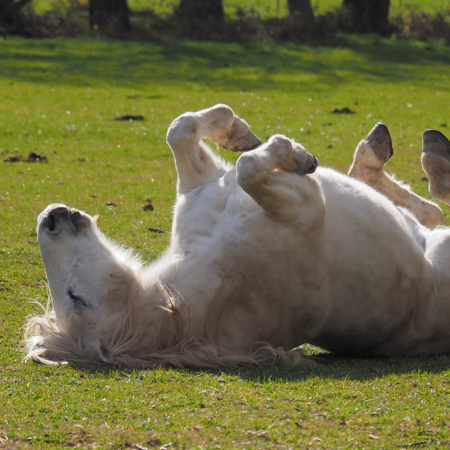
Symptoms of colic are varied, but most horses may exhibit a few of the following: pawing the ground, flank-watching, restlessness, rolling, inappetence, lip curling, or excessive sweating. Other signs to look out for include changes in output, lying down more than usual, or just being a bit “off”.
If you suspect your horse has colic, remove any food and call your vet as soon as possible. Avoid giving your horse any medications (unless directed to by your vet), as this can mask clinical signs, making the vet’s examination difficult to interpret. Quietly walking your horse while waiting for your vet to arrive can be a good way to distract them from pain and can help them pass gas, but do not over-exert them. Horses with colic can become dangerous and unpredictable, so it is important that you keep yourself and others safe!
The good news is that some forms of colic can be prevented! Keep your horse’s diet consistent and avoid any sudden changes, provide fresh water at all times, de-worm strategically based on regular faecal egg counts, avoid feeding on sandy ground, and don’t forget regular dental check-ups!
Colic can be scary, but knowing the signs and being informed makes a huge difference.
Dr Georgina Llewellyn BVSc