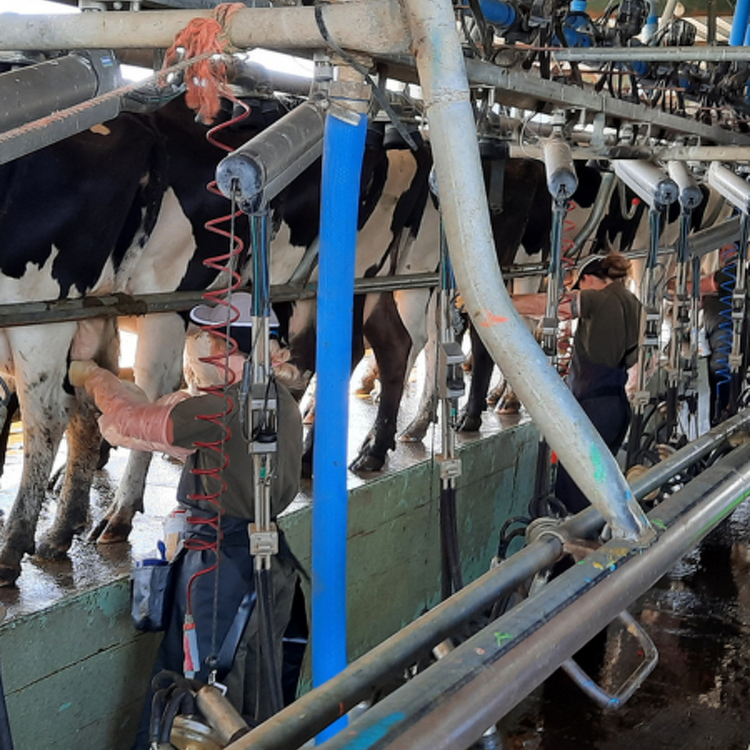


Mastitis
A major endemic disease in dairy cattle
Mastitis is the inflammation of the mammary gland and udder tissue. Mastitis typically occurs as an immune response to bacterial invasion of the teat canal and is the leading disease driving antibiotic use in the dairy industry.
We offer the following Mastitis services:
Milk quality review
Completed annually, an overview of mastitis KPIs, determination of DCT and LCT policy, and identification of the need for further investigation.
Individual Cow Assessments
Farm visit, clinical examination and treatment.
Teat scoring
Our trained techs score teats during milking to determine whether indicators of poor skin condition, congestion and teat end roughness (hyperkeratosis) are present. This can help identify key mastitis risks in your herd before they have a notable effect and is now part of the WelFarm program.
Milk culture
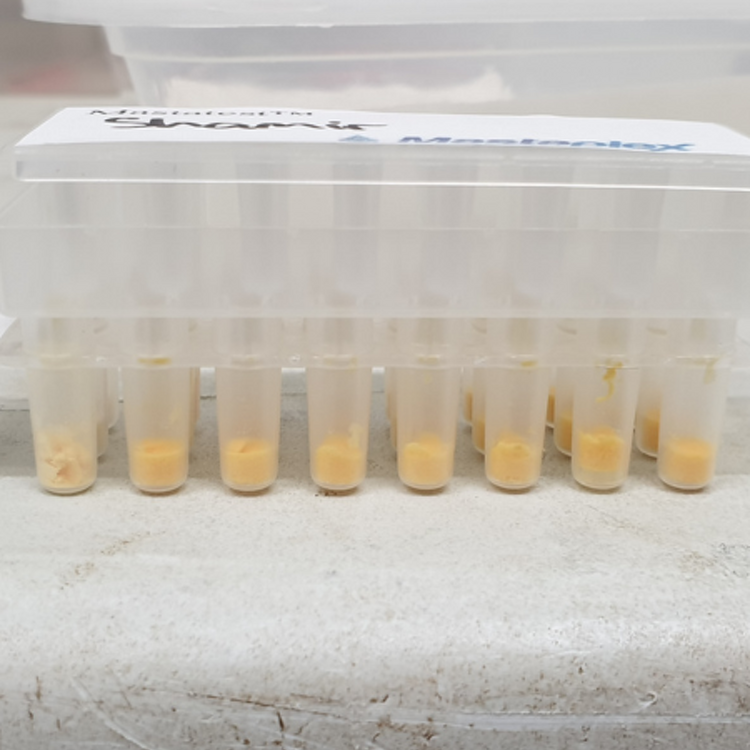
Lab tests: Mastatest, Bioscreen, and standard culture services. Identification of the bacteria involved and their antimicrobial sensitivity.
Bioscreen Cascade
Technician collected milk samples to identify the bacteria and sensitivity profiles behind high somatic cell count cows.
Antibiogram
This helps you understand whether you are harbouring resistant bacteria on your farm. It can change the way you treat your cows.
Masititis services cntd
Heifersafe –teat sealing/DCT insertion
Protect heifers from early-season environmental mastitis. Use our team to assist with the DCT application.
Early Season Milk Quality Report (MQR)
Determine the efficacy of Dry Cow Therapy, teat sealant use in heifers, and identify chronically infected cows.
Mastitis Focus Review
Using the Mastitis Focus Report available in Infovet, the vet provides a more in-depth review of the farm’s mastitis, focusing on new infection rates.
Healthy Udder Training
On-farm sessions for up to 8 farm workers focused on farm-level best practice mastitis control. Includes prevention, detection, treatment, and the use of screening tools such as RMT, milking routines, and environmental management to reduce mastitis risk.
Mastitis Data Analysis
Analysis of all available data on a farm’s mastitis situation, including BMSCC, herd test, clinical mastitis, new infection rates, and bacterial data on file. This can be a prelude to a Milk Quality Consultation. It takes 1-2 hours, depending on the availability of information in Infovet.
Milk Quality Screening Visit
A cut-down version of the full Milk Quality Consultation. Checks teats, plant vacuum, teat-spray and management of the milking mob. Often a prelude to a Milk Quality Consultation. Usually confined to part of a milking rather than the whole milking.
Milk Quality Consultation
A comprehensive investigation of the underlying causes of mastitis on a farm, resulting in a plan to address these. Comprises a mastitis data analysis, a milking visit for the duration of milking, including a wet test of the milking machine, milk culturing equivalent to Bioscreen cascade or better, and a comprehensive written report.