

Facial Eczema
The most serious production-limiting disease of NZ farm animals
Facial eczema is a serious disease affecting cattle, sheep, deer, goats, llamas, and alpacas (but not horses). It’s caused by spores from the fungus Pithomyces chartarum, which thrive in warm, humid conditions—especially on dead plant matter in ryegrass pastures from January to May.
How it affects animals
- Spores release a toxin (sporidesmin) that damages the liver.
- This leads to poor health, reduced production, and sometimes death.
- A key symptom is photosensitisation—painful inflammation of exposed, unpigmented skin (face, ears, udder, teats).
- Even if only 5% show symptoms, up to 70% of a mob may be affected.
Common symptoms
- Sudden drop in milk production (within 1–2 days)
- Dullness, weakness, poor appetite
- Sunburn and swelling on light or hairless skin
- Liver failure and increased risk of metabolic disease
- Sudden death.
Diagnosis & monitoring
- GGT enzyme testing helps detect liver damage early.
- Ask us about testing and monitoring options.
Prevention is key
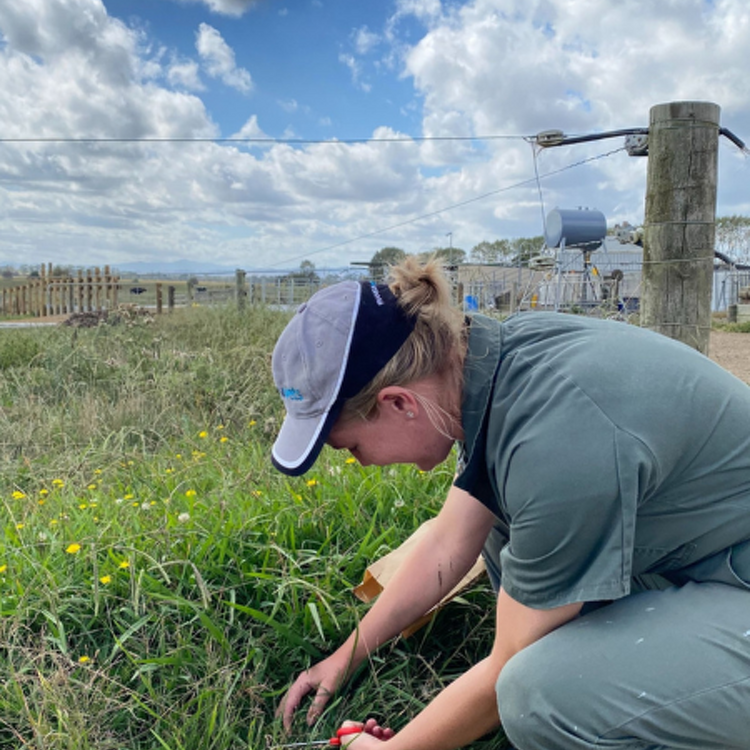
- Monitor regional and on-farm spore counts
- Apply fungicide before spore levels rise
- Avoid high-risk paddocks
- Feed hay, silage, or crops
- Use zinc preventively:
- In feed, water, or drenches
- Best protection: Face-Guard zinc bolus.
Why Face-Guard?
- One dose = 6 weeks of protection
- Top-up dose = up to 10 weeks (cattle) or 12 weeks (sheep)
- Durable, proven, and safe
- Registered under ACVM Act 1997
- Note: Avoid copper supplements during eczema season—they increase toxin risk and reduce zinc effectiveness.
Placeholder Title. Replace With Your Own Content.
Lorem ipsum dolor sit amet, consectetur adipiscing elit. Duis dui sem, egestas ac risus eu, tristique sodales erat. Donec eget molestie augue. Nunc turpis libero, rutrum nec lacus quis, rhoncus congue libero.
Don't be caught out by facial eczema
For advice or testing, contact your local vet clinic. We're here to help