
Winter checklist heading into shorter days
Date: 1 Jun 2025
Assess your horse’s body condition
- Too fat - the cooler weather can help them burn some extra calories as they keep themselves warm, but remember laminitis is still a risk over this period!
- Too skinny - now is the time to try and get them to gain some weight. Struggling? Ensure they are up to date on their dental work and are free from internal parasites. Take a look at their diet to identify areas where you can increase their calorie intake.
Prepare for mud
- What areas are likely to get worst affected by the mud? Can you put down any rubber flooring or fine gravel to help reduce it?
- Get on top of any lingering skin issues - protecting and strengthening that skin barrier will help prevent infections! We recommend contacting your vet if this is an issue that you have been struggling with.
- Hooves can deteriorate rapidly in wet and muddy conditions - make sure you regularly pick out their hooves, provide them dry areas to stand on and keep up with regular farrier visits to keep their hooves as strong as possible.
Look at what you're feeding and how much they are drinking
- As the weather fluctuates heading into winter, many horses won't drink as much; adding 10g of salt per 100kg can help encourage water intake when feeding a lot of fibre.
- Ensure you are equipped to provide 1.5-2% of your horse's body weight in forage daily. Eating and digesting this will help them stay warm.
- Watch out for changes in grass
- After a frost or the sudden growth of lush grass following rain, can cause havoc for those prone to laminitis and can upset horses' digestive tracts - keep an eye on the forecast to avoid being caught out!
Avoid overheating (while keeping them warm!)
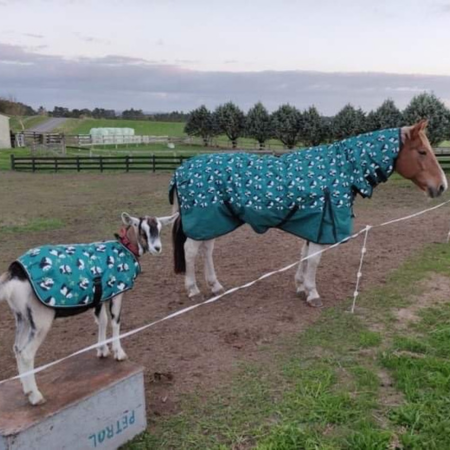
- Healthy horses will grow a warm winter coat that naturally produces waterproofing oils, which means they don't always need to be rugged, especially if they have access to shelter and forage.
- By over-rugging, you risk interfering with their natural ability to regulate their temperature. You may risk overheating throughout the day - sweat from this creates a warm, moist environment perfect for bacteria to grow in.
- Having rugs on all day prevents sunlight from reaching their skin, limiting the production of vitamin D, which is important for strong bones!
Dr Alana Mockett BVSc
Back...